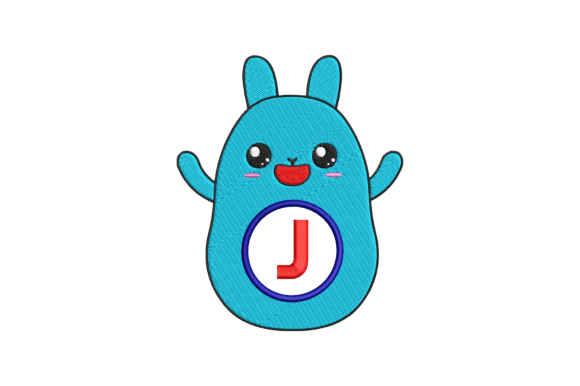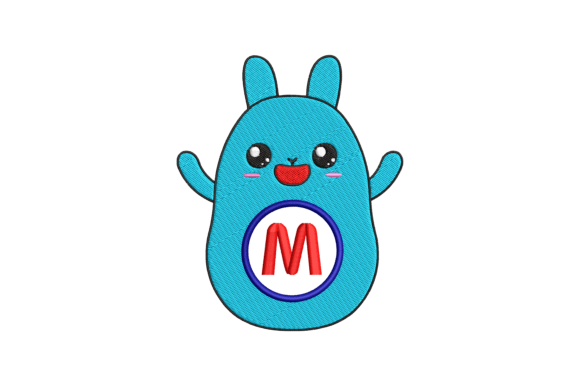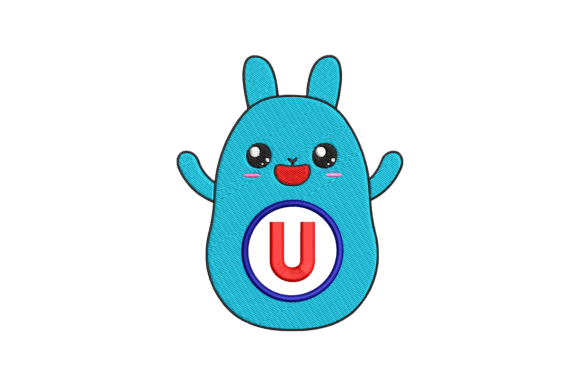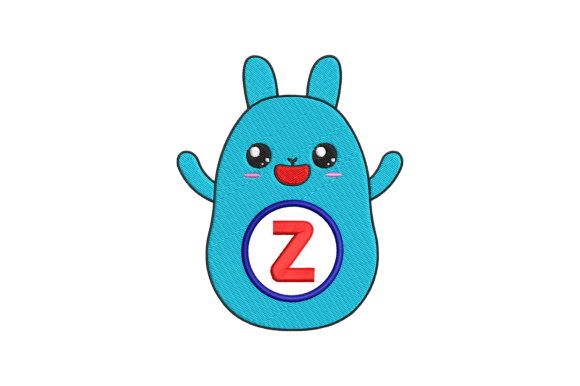
Cute Rabbit Letter X
A Whimsical Anchor for Back to School Charm
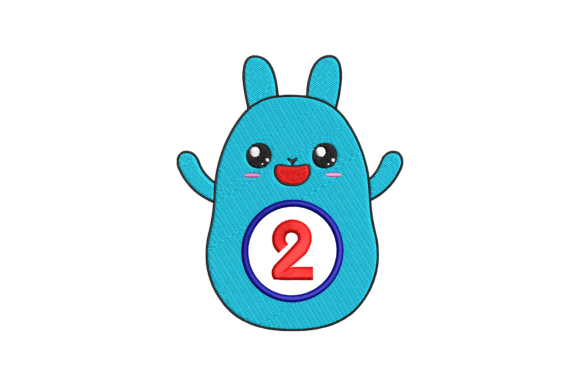
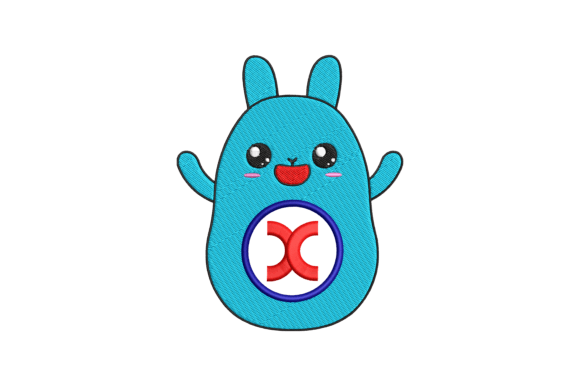
As someone who’s stitched hundreds of designs across apparel, home goods, and boutique merchandise, my first glance at Cute Rabbit Letter X landed like a soft hop—playful, intentional, and quietly confident. It’s not just a rabbit with an “X”; it’s a character-driven monogram that leans into gentle storytelling. The rabbit’s ears curve just enough to echo the letter’s crossbar, its face is round and open—not overly cutesy, but warmly expressive. This isn’t a generic clipart rabbit; it’s a cohesive machine embroidery design built for recognition at small-to-medium scale. I immediately pictured it on a linen tea towel for a teacher’s welcome gift, or centered on a cotton tote bag for a kindergartener’s first-day kit—soft enough for nursery decor, spirited enough for classroom flair.
Where It Shines (and Where It Asks for Thought)
Cute Rabbit Letter X excels in projects where personality meets practicality. On a medium-weight cotton sweatshirt? Yes—the satin stitch outlines hold crispness without stiffness, and the fill stitch density feels balanced: dense enough to read cleanly from three feet away, light enough to keep the fabric breathable. As a baby embroidery motif on a onesie or burp cloth? It works beautifully—if you use lightweight cutaway stabilizer and test thread tension first. The rounded shapes avoid sharp corners that snag delicate skin, and the compact footprint fits comfortably inside a 4x4 hoop, making it ideal for quick-turn custom orders.
For Etsy sellers and small shop owners, this design adds instant handmade appeal to personalized gifts. Stitch it on a pillow cover alongside a child’s name, and it reads as thoughtful—not trendy. Pair it with neutral thread colors (oatmeal, slate gray, dusty rose) on natural fabrics, and it elevates even basic items into boutique-ready finished products. As a holiday embroidery option? Think Easter baskets, spring baby showers, or end-of-year teacher appreciation kits—it carries seasonal warmth without locking you into one calendar date.
Texture, Fabric, and Real-World Behavior
Fabric texture matters more than most designers admit—and Cute Rabbit Letter X responds noticeably to it. On terry cloth towels, the loops soften the edges slightly, so I recommend tightening stitch density just a hair and using tear-away + light cutaway combo stabilizer. On stretchy knits (like jersey totes or baby bodysuits), skip the running stitch outlines alone—add a narrow satin border to lock shape integrity. And on dark fabric? Don’t assume black thread will pop. Test it in charcoal gray or navy thread instead—sometimes lower contrast reads cleaner and more sophisticated.
Curved surfaces—caps, beanies, or apron pockets—require extra attention. The “X” arms are narrow enough to distort if hooped too tightly on a cap frame. My advice: use a no-slip adhesive stabilizer underneath, and consider simplifying the inner ear details if stitching on rigid curved hoops. Also, avoid placing Cute Rabbit Letter X near high-friction zones (like tote bag handles or pocket flaps) unless you’ve verified stitch durability through wash testing—dense satin areas can abrade faster over time.
Design Integrity Meets Commercial Reality
What makes Cute Rabbit Letter X commercially viable isn’t just its charm—it’s how consistently it translates across formats. As a digital embroidery file, it holds up in printable mockups: clean lines, balanced negative space, and no micro-details that vanish at thumbnail size. That means your Etsy listing visuals stay accurate, your social media previews communicate tone instantly, and your craft fair signage reads clearly from across the room.
But here’s what separates usable design assets from risky ones: versatility *without* compromise. This design doesn’t try to be everything. It won’t dominate a full-sleeve sweatshirt embroidery, nor does it shrink gracefully into a 1.5-inch patch without losing legibility. It lives best at 3–4 inches wide—ideal for tote bag design, pillow covers, or centered front-of-shirt placement. For apparel decorators, that’s a sweet spot: efficient hooping, low thread waste, and fast turnaround.
Practical Designer Notes Before You Stitch
- Always test on scrap fabric first—especially if pairing with textured weaves or blends.
- Review stitch density before scaling: enlarging may require re-digitizing minor elements to prevent “floaty” fills.
- Confirm hoop size compatibility—if your smallest hoop is 3x3, check whether the design fits cleanly within that boundary.
- Inspect small details under magnification: rabbit eye highlights, whisker lines, and inner “X” angles should remain distinct post-stitch.
- Test in black-and-white mockups to assess silhouette strength—this design relies on shape clarity, not color.
- Compare light and dark fabric backgrounds visually and physically; thread sheen changes perception dramatically.
- Use proper stabilizer—lightweight cutaway for knits, tear-away for stable wovens, and fusible + tear-away for nap-free surfaces like towels.
- Verify licensing before selling finished items or bundling the embroidery file—commercial use rights aren’t implied by purchase alone.
In short, Cute Rabbit Letter X earns its place in your embroidery project toolkit not because it’s flashy, but because it’s reliable, emotionally resonant, and quietly versatile. It supports your craft business by reinforcing brand consistency—whether you’re a solo maker shipping personalized gifts or a small shop curating Back to School collections. It invites customer trust through refined execution, not gimmicks. And when stitched well, it transforms ordinary fabric into something that feels made *for* someone—not just made.
That’s the quiet power of a well-judged machine embroidery design. Not every rabbit needs to hop across the page—sometimes, one thoughtful “X” says exactly enough.