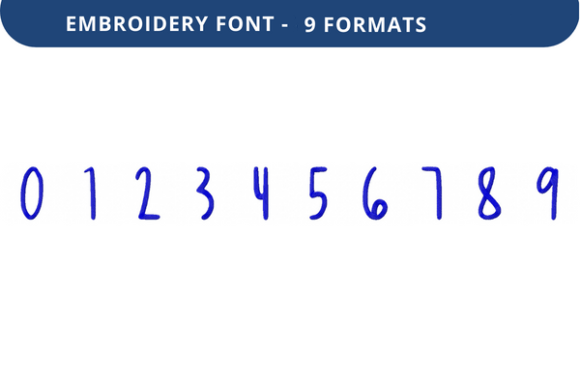
Short Quiz Font 0 to 9
A Craft Fair Designer’s First Look: Playful, Clear, and Instantly Recognizable
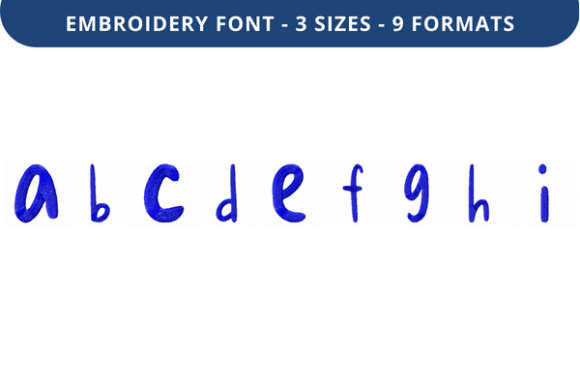
As someone who’s stitched over 300 craft fair products in the last two years—from monogrammed tea towels to custom embroidered patches—I opened Short Quiz Font 0 to 9 expecting something functional. What I got was a breath of fresh air: a compact, clean, slightly retro-modern font that feels both clever and approachable. It’s not fussy or overly decorative—no swashes, no drop shadows—but it carries personality through balanced proportions and confident stroke weight. Think “friendly teacher’s chalkboard,” not “corporate presentation.” That subtle wit makes it ideal for Back To School without leaning into clichés like apples or pencils. For craft fair shoppers scanning your booth in under three seconds, Short Quiz Font 0 to 9 delivers clarity *and* charm at a glance.
Where It Shines on Real Handmade Products
This machine embroidery design thrives where legibility meets intention—especially on items customers hold, gift, or use daily.
- Tote bag design: Perfect as a small accent near the handle or centered on the front panel. At 2–2.5 inches tall, it reads cleanly even from across the aisle—ideal for “Class of ’25” or “Mathlete” on canvas market bags.
- Apron embroidery: Works beautifully above the pocket or along the waistband. Its even spacing avoids visual crowding, and the uniform height keeps text aligned on curved fabric surfaces.
- Tea towel embroidery: Stitches crisply on linen-cotton blends. Because the numbers and letters avoid tight corners or micro-details, it holds up well on textured kitchen towels—even with moderate stitch density.
- Embroidered patch: A standout choice for iron-on or sew-on school spirit patches. The bold simplicity means it photographs sharply for Etsy listings and scales down to 1.75" without blurring.
- Fabric pouches & pillow covers: Gives small-format handmade products instant identity—“Quiz Day,” “0% Stress,” or “9/10 Would Recommend”—without overwhelming the item’s shape or texture.
What Makes It Sell—And What Requires Care
Customers don’t buy fonts—they buy confidence, consistency, and connection. Short Quiz Font 0 to 9 earns trust because it looks hand-drawn but stitches like a pro file. It feels intentional, not generic. That perceived craftsmanship lifts the perceived value of your finished product—whether it’s a $24 apron or a $12 embroidered patch.
That said, this digital embroidery file rewards thoughtful execution. Here’s what I watch for:
- Dense stitch areas: While not excessively heavy, the closed counters (like in 0, 6, 8, and 9) can compress on thick fabrics. Always test on scrap denim or canvas before batch-producing caps or tote bags.
- Small lettering: Below 1.25", spacing tightens and some numbers (like 1 or 7) may lose definition on dark fabric or low-contrast thread colors. Stick to ≥1.5" for reliable readability on most small shop products.
- Curved surfaces: On baseball caps or curved pillow edges, confirm hoop size compatibility early. If the file includes multiple sizes, prioritize the mid-range option—it balances clarity and adaptability better than extremes.
- Fabric texture: Avoid using the smallest size on terry cloth or heavily napped fleece. The design’s strength is its crispness—not its ability to fight fuzz.
Booth Impact, Online Appeal, and Batch Production Reality
In person, Short Quiz Font 0 to 9 stands out because it’s *recognizable as a system*. When you display five tote bags—each with a different year (“2024,” “2025,” “2026”) or subject (“Bio,” “Chem,” “Lit”)—customers instantly grasp your theme. That cohesion strengthens your booth’s visual story and builds brand consistency without needing logos or slogans.
Online? It photographs exceptionally well. The high-contrast letterforms render cleanly in printable mockups, and the even baseline means your Etsy seller listings look polished—not pixelated or wobbly. Bonus: because it’s modular (numbers + letters), you can build dozens of variations fast—making it a smart design asset for seasonal launches or limited-edition drops.
For batch production, it’s highly repeatable. No complex underlay, no overlapping elements, no nested fills. That translates to faster hooping, fewer thread breaks, and consistent results across 50+ tea towel embroideries in a single day. As a commercial embroidery designer, I value that reliability—it means less troubleshooting and more time curating displays or chatting with buyers.
Designer Notes You Can’t Skip
Before cutting fabric or listing on Etsy:
- Test Short Quiz Font 0 to 9 on your *exact* fabric-stabilizer-thread combo—not just muslin.
- Check thread contrast: light gray on navy reads differently than white on black. Print a physical mockup to verify.
- Review spacing between characters—some files auto-kern tightly, which can cause stitching overlap on curves.
- Confirm hoop size requirements. If you’re using a 4x4 hoop, ensure the largest recommended size fits comfortably with margin.
- Inspect stitch density in the numbers’ inner curves. Adjust stabilizer weight if needed—medium cutaway works best for most cottons and linens.
- Create *at least one real mockup*—not digital. Hold it, fold it, drape it. See how it moves and catches light.
- Compare how it looks on light vs. dark fabric swatches. Some numbers gain or lose friendliness depending on contrast.
- Verify commercial licensing terms. Since this is positioned for handmade markets and craft fairs, confirm you’re cleared to sell finished products—not just the embroidery file.
Final Thought: A Quiet Workhorse With Personality
Short Quiz Font 0 to 9 won’t shout—but it’ll make people pause, smile, and reach for their wallet. It’s the kind of embroidery file that quietly elevates every craft fair product it touches: turning a plain tea towel into a teacher’s gift, an apron into a classroom mascot, or a pouch into a student’s lucky charm. For Etsy sellers, small shop owners, and boutique makers building a recognizable line, it’s more than a font—it’s a versatile, trustworthy, and genuinely market-ready design asset. Just remember: great embroidery starts with respect for the fabric, the machine, and the buyer’s eye. Test, tweak, and trust the clarity. Then stitch it with confidence.