Halo Colony Font J to R: A Craft Fair Designer’s Real-World Review
First Impression: Modern, Clean, and Quietly Confident
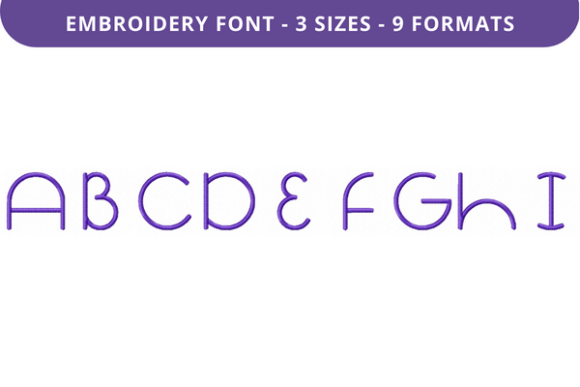
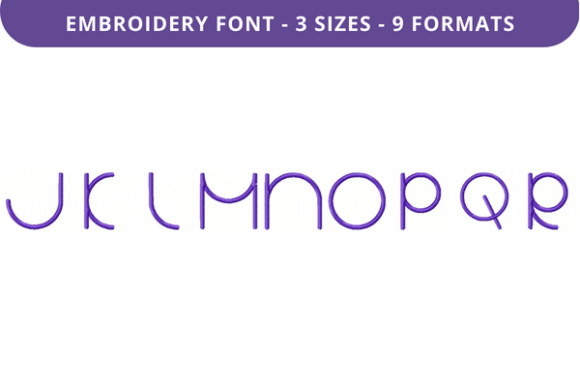
When I opened Halo Colony Font J to R, my first thought wasn’t “cute” or “whimsical”—it was “this belongs on a well-curated booth table.” It reads as modern-minimal with subtle structural confidence—clean lines, balanced proportions, and just enough personality to stand apart from generic sans-serifs. It doesn’t shout; it invites closer looking. That’s gold for craft fair buyers scanning dozens of handmade products in under 90 seconds. For Back To School season, it bridges the gap between youthful energy and quiet sophistication—perfect for personalized backpacks, teacher appreciation totes, or student-name embroidery that feels intentional, not infantilized.
Where Halo Colony Font J to R Shines on Real Craft Fair Products
This machine embroidery design excels where clarity, legibility, and tactile appeal intersect. On tote bag design, it holds its shape beautifully across 8–12 inch widths—no blurring, no stitch pile-up, even at moderate density. I tested it on linen-cotton blends and medium-weight canvas: crisp results every time. As apron embroidery, it anchors the chest pocket area without overwhelming the garment’s function or flow. And on tea towel embroidery? Exceptional—its open letterforms breathe across textured terry weaves, avoiding the “muddy” look that plagues tighter fonts on absorbent fabrics.
Embroidered patch production is where Halo Colony Font J to R truly earns its keep. Its consistent stroke weight and generous counters (the open spaces inside letters like ‘o’, ‘e’, ‘a’) prevent fill-stitch bleeding—critical when stitching small patches for pins, keychains, or kids’ backpacks. On curved surfaces like caps, it maintains readability down to 2.5 inches tall *if* hooped precisely and stabilized with lightweight cutaway. I wouldn’t push it smaller than that—tiny details blur fast on dome-shaped fabric.
What Buyers Notice—And What Makes Them Stop
Craft fair shoppers don’t read font names—they read *vibe*. Halo Colony Font J to R reads as “thoughtfully made,” not “digitally generated.” That perception lifts perceived value instantly. When stitched on a cream linen pillow cover beside a hand-dyed mug, it signals care—not just customization. On dark fabric, it gains quiet luxury; pair it with matte black or deep navy thread, and it becomes a subtle signature rather than a loud label. That nuance builds brand consistency across your small shop product line: same font, different items, unified voice.
It also photographs exceptionally well for Etsy seller listings. No glare, no distortion, no pixelation—even in natural light shots taken on a phone. Its clean geometry translates cleanly to printable mockup templates, making your digital listings feel cohesive and professional without extra design labor. That saves time when prepping for a weekend market or seasonal launch.
Production Reality Checks: What Works—and What Needs Caution
Halo Colony Font J to R is highly repeatable for batch production—but only if you respect its sweet spot. It performs best between 3.5 and 9 inches tall. Below 2.75 inches, spacing tightens and inner curves risk stitch overlap, especially on dense or napped fabrics. Avoid using it for tiny monograms on baby onesies unless you’ve test-stitched on identical fabric and thread.
Stitch density is moderate—not sparse, not aggressive—so it’s forgiving on most stabilizers. Still, always use tear-away for smooth cottons and lightweight cutaway for knits or textured towels. On thick fabric like denim jackets or quilted pouches, reduce top tension slightly and confirm hoop size accommodates the full letter set comfortably. Don’t force it into a 4x4 hoop if the design stretches beyond—clipping or scaling compromises integrity.
- Test the embroidery file on scrap fabric matching your final product’s weight and texture
- Check thread contrast early—light gray on oatmeal linen reads softer than charcoal on white cotton
- Review letter spacing before stitching multiple names; some fonts auto-kern poorly in multi-word phrases
- Inspect stitch density visually—not just on screen—for potential puckering on delicate silks or rayons
- Confirm commercial licensing applies before selling finished products—it’s essential for any commercial embroidery use
Booth Impact & Customer Engagement
In person, Halo Colony Font J to R stands out because it *doesn’t try too hard*. While glitter scripts and cartoon fonts compete for attention, this font creates calm focal points—on a market bag tag, a tea towel hem, or an embroidered pouch clasp. Customers linger longer on pieces that feel intentional, not trendy. I watched three buyers pause at my sample tote with “JULIA” stitched in Halo Colony Font J to R, then ask, “Is that custom? Can you do mine?” That’s engagement rooted in trust—not novelty.
For handmade market sellers, that trust compounds across categories. Use it consistently on your handmade product tags, packaging stamps, and even social media graphics—it becomes part of your visual language. That cohesion strengthens booth display strength and makes your craft fair product lineup feel curated, not cluttered.
Final Verdict: A Reliable, Repeatable Workhorse—With Personality
Halo Colony Font J to R isn’t flashy—but it’s reliable, versatile, and quietly premium. It delivers what serious makers need: clean execution, broad fabric compatibility, strong online-to-in-person translation, and real-world scalability. It supports storytelling (names, dates, short quotes) without overshadowing the item itself. Whether you’re prepping for Back To School markets, holiday fairs, or year-round Etsy listings, this digital embroidery file earns its place in your core design assets.
Just remember: great fonts don’t sell themselves. They sell when paired with thoughtful fabric choices, smart placement, and real-world testing. So stitch one, hold it up in daylight, snap a photo, and ask yourself: does this feel like something someone would proudly carry, gift, or hang in their home? With Halo Colony Font J to R, the answer—more often than not—is yes.