Small Letters M to R: A Craft Fair Designer’s Honest Review
First Impression: Minimal, Elegant, and Quietly Versatile
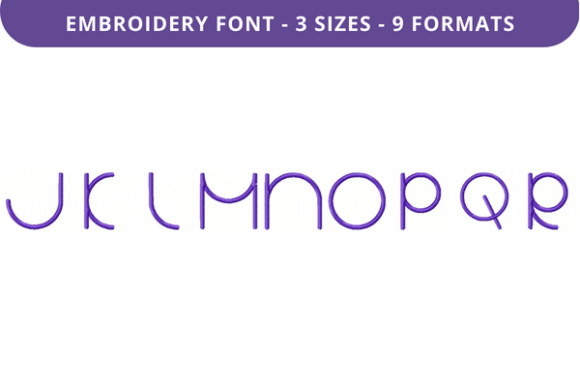
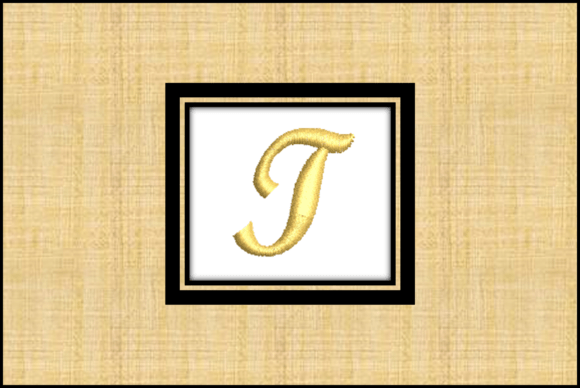
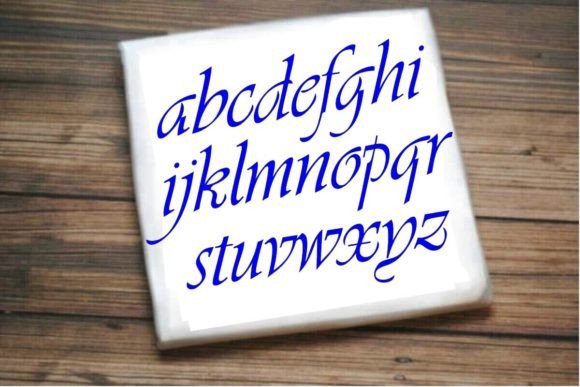
As an embroidery designer who’s prepped over 200 craft fair booths—and shipped thousands of handmade products—I opened Small Letters M to R expecting something functional. What I found was unexpectedly refined: six clean, balanced letters (M, N, O, P, Q, R) that lean into quiet elegance rather than playful boldness. It’s not rustic, not cartoonish, not overly ornate—just beautifully proportioned monogram-style lettering with graceful curves and consistent stroke weight. That subtlety is its superpower at a crowded market: it catches the eye without shouting, appealing especially to shoppers who value handmade quality over trend-chasing.
Where It Shines on Real Craft Fair Products
Tote bags are where Small Letters M to R truly earns its spot in your booth. Stitched in soft ecru thread on natural canvas or charcoal linen, a single letter near the bottom corner reads as intentional, personal, and boutique-level thoughtful—not generic. On aprons, it works best above the pocket or centered on the bib: small enough to avoid visual clutter but large enough to read clearly from three feet away. For tea towel embroidery, pair “O” or “R” with a simple leaf motif—it adds just enough personality without overwhelming the fabric’s texture.
Small Letters M to R also excels on embroidered patches. Cut, heat-pressed, or sewn onto denim jackets or backpacks, these letters become collectible mini-monograms—ideal for Back To School shoppers looking for personalized gear. On caps, stick to “M”, “O”, or “R” centered on the front panel; avoid “Q” or “P” here—their curves can distort on curved surfaces unless digitized with careful underlay. As a small shop product, it’s perfect for pillow covers and fabric pouches: one letter stitched cleanly in the lower right corner instantly elevates a $12 item into a $24 gift-ready piece.
What Makes It Sell—Beyond Just Looks
This isn’t just about aesthetics—it’s about behavior at the booth. Small Letters M to R is instantly legible, even when customers are scanning quickly. No decoding needed. That clarity boosts confidence in your craftsmanship. It photographs exceptionally well for Etsy seller listings: crisp lines translate reliably across phone screens, and the design holds up in both natural light and studio shots. Because each letter is self-contained and evenly spaced, it scales predictably—whether you’re stitching it at 1.5" for a patch or 3.2" for a tote bag banner.
Batch production? Yes—Small Letters M to R is highly repeatable. With moderate stitch density and no excessive fill areas, it runs smoothly across multiple hoops without thread breaks or tension hiccups. That means you can embroider 30 tea towels in an afternoon and still keep your machine humming. And because it’s part of the broader Letter Monogram Beautiful A to Z collection, customers naturally ask, “Do you have S? T? My daughter’s name starts with L…”—turning one sale into a conversation and a potential bundle.
Careful-Use Notes Every Designer Should Know
Don’t skip testing—even elegant designs have limits. On thick fabrics like duck canvas or textured terry cloth towels, Small Letters M to R may lose definition in tight curves (especially “Q” and “R”). Use medium-weight cutaway stabilizer, not tear-away, to support those fine transitions. On dark fabric, contrast matters: light thread must be matte—not shiny—to avoid glare that flattens detail. And on curved cap fronts, always run a test on scrap first: some letters compress more than others during hooping.
Most importantly: Small Letters M to R is small by design—but that doesn’t mean it’s forgiving at tiny sizes. Below 1.1", spacing between strokes blurs. Avoid using it smaller than 1.3" on anything meant for retail display. If you’re planning printable mockups, size it at 2.0" minimum for web clarity. And never assume commercial licensing is included—check your digital embroidery file license terms before selling finished products like embroidered caps or wholesale pouches.
Booth Impact & Brand Consistency
In a sea of glitter, florals, and maximalist fonts, Small Letters M to R quietly strengthens your brand voice. It signals precision, restraint, and attention to detail—traits handmade shoppers actively seek. When grouped with complementary items (e.g., an “M”-embroidered market bag beside an “R”-stitched tea towel), it creates rhythm and cohesion across your table. Customers notice that intentionality. They’ll pause longer, ask questions, and remember your booth—not just your price point.
Final Designer Checklist Before You Stitch
- Test Small Letters M to R on your exact fabric—especially if it’s textured, stretchy, or thick
- Verify thread contrast: matte cotton or rayon works better than metallic for clarity
- Check spacing between letters if grouping two (e.g., “MR”)—some files don’t include multi-letter spacing guidance
- Confirm hoop size compatibility—most versions fit standard 4x4 hoops, but verify before bulk hooping
- Inspect stitch density: look for dense fills in curves—these need extra stabilizer
- Always use appropriate stabilizer—cutaway for knits, tear-away for stable wovens
- Create at least one real-world mockup (not just digital): photograph it in natural light, hold it in hand, see how it feels
- Compare fabric colors side-by-side: what looks elegant on ivory may disappear on oatmeal
- Review commercial license terms—if selling finished goods, confirm rights cover end-use
Bottom line? Small Letters M to R isn’t flashy—but it’s reliable, refined, and ready for real-world making. For craft fair sellers, Etsy sellers, and small shop owners building a signature style, it’s not just another machine embroidery design. It’s a subtle tool for trust, recognition, and repeat business—one elegant letter at a time.